Everyone who purchases skin care is looking for two things; great results leading to great looking skin and at good value. I doubt if you would find a beauty salon that does not want to deliver just this. If you are not getting the results that you desire from your beauty salon and skin care then you may need to look at what you are doing! For complete story, click here.
Friday, May 31, 2013

Circumcisions are a money-spinner: Motsoaledi
Unscrupulous people are abusing the traditional ritual of circumcision to earn quick money, Health Minister Dr Aaron Motsoaledi said. Read the full article.
Thursday, May 30, 2013
Natural Health and You: Healthy Living Tips
Ever since time immemorial the importance of water has always been critical. Our world is 70% filled-with water and our body is made-up of water and it needs to water to survive. Source
Mozzies with altered gene can't sniff people out
Researchers have found that mosquitoes with an altered gene can't sniff people out, and hope the finding leads to better prevention of malaria and other diseases. Continue reading...
New Hospital Rules Could Save You From Deadly Infections
New Hospital Rules Could Save You From Deadly Infections
Bulletin Today | health care | Personal Health | Your LifeBy Lindsey Tanner, Medical Writer, The Associated Press Infections in U.S. hospitals kill tens of thousands of people each year, and many institutions fight back by screening new patients to see if they carry a dangerous germ, and isolating those who do. But a big study suggests a far more effective approach: Decontaminating every patient in intensive care. Washing everyone with antiseptic wipes and giving them antibiotic nose ointment reduced bloodstream infections dramatically in the study at more than 40 ...
By Lindsey Tanner, Medical Writer, The Associated Press
Infections in U.S. hospitals kill tens of thousands of people each year, and many institutions fight back by screening new patients to see if they carry a dangerous germ, and isolating those who do. But a big study suggests a far more effective approach: Decontaminating every patient in intensive care.
Washing everyone with antiseptic wipes and giving them antibiotic nose ointment reduced bloodstream infections dramatically in the study at more than 40 U.S. hospitals.
The practice could prove controversial, because it would involve even uninfected patients and because experts say it could lead to germs becoming more resistant to antibiotics. But it worked better than screening methods, now required in nine states.
The study found that 54 patients would need to be decontaminated to prevent one bloodstream infection.
Nevertheless, the findings are “very dramatic” and will lead to changes in practice and probably new laws, said Dr. William Schaffner, a Vanderbilt University infectious-disease specialist who was not involved in the research. Some hospitals are already on board.
Related: Tips for Staying Safe in Hospitals
The study targeted ICU patients, who tend to be older, sicker, weaker and most likely to be infected with dangerous bacteria, including drug-resistant staph germs.
The decontamination method worked like this: For up to five days, 26,000 ICU patients got a nose swab twice a day with bacteria-fighting ointment, plus once-daily bathing with antiseptic wipes.
Afterward, they were more than 40 percent less likely to get a bloodstream infection of any type than patients who had been screened and isolated for a dangerous germ called MRSA, or methicillin-resistant Staphylococcus aureus.
In the year before the experiment began, there were 950 bloodstream infections in intensive care patients at the hospitals studied. The results suggest that more than 400 of those could have been prevented if all hospitals had used the decontamination method.
“We’ve definitively shown that it is better to target high-risk people,” not high-risk germs, said lead author Dr. Susan Huang, a researcher and infectious-disease specialist at the University of California, Irvine.
The hospitals in the study are all part of the Hospital Corporation of America system, the nation’s largest hospital chain. HCA spokesman Ed Fishbough said the 162-hospital company is adopting universal ICU decontamination.
The study was published online Wednesday in the New England Journal of Medicine.
The study focused on the MRSA germ. It can live on the skin or in the nose without causing symptoms but can be life-threatening when it reaches the bloodstream or vital organs. It is especially dangerous because it is resistant to many antibiotics.
More than 70,000 ICU patients were randomly selected to get one of three treatments: MRSA screening and isolation; screening, isolation and decontamination of MRSA carriers only; and universal decontamination without screening. Partial decontamination worked better than just screening, and universal decontamination was best.
About a decade ago, hospital-linked invasive MRSA infections sickened more than 90,000 people nationwide each year, leading to roughly 20,000 deaths.
As hospitals improved cleanliness through such measures as better hand-washing and isolating carriers of deadly germs, those numbers dropped by about a third, with fewer than 10,000 deaths in 2011, according to the Centers for Disease Control and Prevention.
The CDC has been recommending screening and isolation in certain cases. Now it’s having experts review the results and help determine whether the agency should revise its recommendations, said the CDC’s Dr. John Jernigan.
“It is a very important finding. It advances our understanding of how best to control infections caused by MRSA” and other germs, Jernigan said.
The CDC and the federal Agency for Healthcare Research and Quality helped pay for the study. Dr. Carolyn Clancy, who heads the research agency, said the findings have “the potential to influence clinical practice significantly and create a safer environment where patients can heal without harm.”
Jernigan said the decontamination approach is much simpler than screening and isolation. But he said its costs need to be studied.
Huang said the five-day nose treatment costs about $35 for brand-name ointment but only $4 for a generic version. The antiseptic wipes cost only about $3 to $5 more per day than usual washing methods, she said. But those costs might be offset by other savings from avoiding widespread screening and isolation, she said.
Intensive care patients are already routinely bathed. The study just swapped soap with wipes containing a common antiseptic. Some study authors have received fees from makers of antiseptic wipes or have done research or unpaid consulting for those companies.
The nose ointment treatment is more controversial because it could cause more germs to become resistant to the antibiotic, Jernigan said.
“That’s something we’re going to have to very closely monitor if this practice is implemented widely,” he said.
An editorial accompanying the study voices similar concerns and notes that research published earlier this year found that using just antiseptic wipes on ICU patients reduced bloodstream infections. Two infection control specialists at Virginia Commonwealth University wrote the editorial.
Editorial co-author Dr. Michael Edmond said his university’s hospital is among those that already use antiseptic wipes on ICU patients.
While MRSA screening and isolation is widely accepted, Edmond said that approach “takes a toll on patients.” Isolating patients who test positive for MRSA but don’t have symptoms makes patients angry and depressed, and studies have shown that isolated patients are visited less often by nurses and tend to have more bedsores and falls, he said.
�
Copyright 2013 The Associated Press. All rights reserved. This material may not be published, broadcast, rewritten or redistributed.
�
Photo: National Cancer Institute via Wikimedia Commons
�
Also of Interest
- Meet the Hospital of the Future (No Double Rooms!)
- Why Are Hospital Ratings All Over the Map?
- Join AARP: Savings, resources and news for your well-being
�
See the AARP home page for deals, savings tips, trivia and more
�
Wednesday, May 29, 2013
Deep, Slow Breathing can Slow Aging, Prevent Disease, Increase Happiness
Did you know that certain breathing techniques can profoundly and positively impact your life? Truthfully, breathing is extremely important for achieving optimal health.
 Did you know that bellows breath (a type of rapid belly breathing) can help to lower your resting heart rate and thus increase your life span with just a few minutes of practice a day for as little as a month? That’s the same type of benefit you would receive from doing regular exercise every day. This is just one type of breathing that has scientifically been proven to support the human nervous system and also to enhance anti-aging, mood-boosting, and disease-fighting properties. Truthfully, breathing is extremely important for achieving optimal health.
Breathing for Better Health, a Longer Life
Dr. Matthew Lee tell us that alternate nostril breathing can benefit non-practitioners, meaning people who don’t normally practice Nadi Shodhan, the yogic name for the same breath. There is also the ujjayi breath and humming bee breath, but just slowing your number of breaths per minute can create what Dr. Herbert Benson of Harvard medical School coined as the relaxation response.
When we breathe slower, it affects our moods positively, increases the immune functioning of the body, and turns off the sometimes toxic chemical stew that can be created by a stress-response left over from a fight-or-flight mechanism (induced by the autonomic nervous system) that we developed early on. Some smart doctors even tell their patients to practice deep breathing five to ten times a day.
The trick is to remember to practice one of these breathing exercises when you’re breathing in a panicked way – or not at all. Most of us take breathing for granted, as expected since it is one of the many things our body does on autopilot, like keeping our heart beating or regulating our body temperatures. However, when we are stressed we usually breathe shallowly or not at all., which can cause some harm.
Little kids actually become ‘blue in the face’ when they are angry because they are holding their breaths. Interesting, huh? We do something similar when we feel angered, frustrated or fatigued. The next time you feel your temperature rising, try taking a deep breath or practice alternate nostril or bellow’s breathing instead. It’s proven that you’ll live longer and feel better if you do. Breathing deeply is a way to achieve a mind-body connection and to love yourself more.
“Love is a portion of the soul itself, and it is of the same nature as the celestial breathing of the atmosphere of paradise.” – Vistor Hugo
Continue reading...Strong marriage shields kids from depressed dad
Strong marriage shields kids from depressed dad
Research shows that a supportive spouse seems to improve a depressed father's relationship with his children.
Research shows that a supportive spouse seems to improve a depressed father's relationship with his children.
Tuesday, May 28, 2013
Female smokers, drinkers risk early death
Female smokers, drinkers risk early death
Women who smoke and drink heavily are at a higher risk of early death than men who do the same, a study said.
Women who smoke and drink heavily are at a higher risk of early death than men who do the same, a study said.
Monday, May 27, 2013
Seniors more likely to crash when driving with pet
Elderly people who always drive with a pet in the car are far more likely to crash than those who never drive with a pet, researchers have found. Source
Angelina Jolie's aunt dies of breast cancer
Angelina Jolie's aunt dies of breast cancer
(Reuters) - Angelina Jolie's aunt died of breast cancer on Sunday, a hospital spokesman in California said, nearly two weeks after the actress wrote about electing to have a double mastectomy after learning she had inherited a high risk of breast cancer. Debbie Martin, the younger sister of Jolie's mother, died at age 61 at Palomar Medical Center in Escondido, near San Diego. Her husband, Ron Martin, told Britain's Sky News that his wife had the same defective BRCA1 gene as Jolie. Jolie's mother, Marcheline Bertrand, died of breast cancer in 2007 at age 56. ...
(Reuters) - Angelina Jolie's aunt died of breast cancer on Sunday, a hospital spokesman in California said, nearly two weeks after the actress wrote about electing to have a double mastectomy after learning she had inherited a high risk of breast cancer. Debbie Martin, the younger sister of Jolie's mother, died at age 61 at Palomar Medical Center in Escondido, near San Diego. Her husband, Ron Martin, told Britain's Sky News that his wife had the same defective BRCA1 gene as Jolie. Jolie's mother, Marcheline Bertrand, died of breast cancer in 2007 at age 56. ...
Sunday, May 26, 2013
Kindergarten 'Redshirting' Subject to Debate
Kindergarten 'Redshirting' Subject to Debate
More parents are putting off a child's kindergarten entry so he or she will be a little older than the classmates---a phenomenon known as redshirting.
More parents are putting off a child's kindergarten entry so he or she will be a little older than the classmates---a phenomenon known as redshirting.
Friday, May 24, 2013
Don't keep coronavirus cases quiet: WHO
Don't keep coronavirus cases quiet: WHO
The World Health Organization (WHO) warned countries with possible cases of the SARS-like novel coronavirus that they must share information and not allow commercial labs to profit from the virus, which has killed 22 people worldwide.
The World Health Organization (WHO) warned countries with possible cases of the SARS-like novel coronavirus that they must share information and not allow commercial labs to profit from the virus, which has killed 22 people worldwide.
Exercise should be core subject at school
Schools need to boost efforts to get students moving, and make gym class as critical as other core subjects if they want to increase test scores as well as students' general well-being, experts say. For complete story, click here.
Thursday, May 23, 2013
Schools should make exercise 'core' subject, U.S. panel urges
Schools should make exercise 'core' subject, U.S. panel urges
 By Susan Heavey WASHINGTON (Reuters) - U.S. schools need to boost efforts to get students moving, and make gym class as critical as other core subjects if they want to increase test scores as well as students' general well-being, a leading group of health advisers said on Thursday. The Institute of Medicine called for younger students to get at least 30 minutes of physical activity per day in school and older students 45 minutes, with at least half that time spent moving vigorously. ...
Grilling Meat, Avoiding Cancer: 5 Important Tips
Grilling Meat, Avoiding Cancer: 5 Important Tips
Food | Personal HealthWarm weather, Memorial Day, July 4th — it’s time to dust off the grill and enjoy some outdoor barbecuing. Just be sure you choose the healthiest ways to cook those steaks, burgers and chicken, so you don’t increase your risk for cancer. It’s not that grilling causes cancer. It’s that any high-heat cooking method that sears or burns the outside of meat causes chemicals to form that have been linked to cancer. Grilling, broiling or even panfrying over high heat ...
 Warm weather, Memorial Day, July 4th — it’s time to dust off the grill and enjoy some outdoor barbecuing. Just be sure you choose the healthiest ways to cook those steaks, burgers and chicken, so you don’t increase your risk for cancer.
It’s not that grilling causes cancer. It’s that any high-heat cooking method that sears or burns the outside of meat causes chemicals to form that have been linked to cancer.
Grilling, broiling or even panfrying over high heat (350 degrees or higher) causes the amino acids and creatinine in meat to react and form heterocyclic amines, or HCAs, which some studies indicate cause tumors to form.
The science isn’t absolute: Lab animals fed HCAs developed cancer, but the research on humans is less clear, says the National Cancer Institute. A National Institutes of Health-AARP study, however, found that eating a lot of red meat cooked over high heat may increase an older person’s risk of pancreatic cancer.
Related: Join us in honoring the men and women who served our country
Bottom line: Don’t put away your grilling tongs and apron. Just follow these five easy grilling tips to reduce your cancer risk:
Use a marinade or a spice rub. Marinating meats for as little as 30 minutes before grilling can reduce the formation of HCAs by up to 90 percent.
Turn down the heat. Keep cooking temperature moderate instead of at full blast.
Precook meat in the microwave, then finish on the grill. This cuts down on the time the meat is exposed to high heat, meaning less time for HCAs to form. An added bonus: Meats and chicken will be juicier. Zap burgers for 2 minutes per pound; chicken parts, 4 to 5 minutes per pound.
Choose leaner cuts. They have less fat to drip down, causing flare-ups that can singe the meat.
Trim off charred parts before serving. The burned bits have the most HCAs.
�
Photo: Maria Kallin/Flickr Open/Getty
�
Also of Interest
- Carnitine: A New Reason to Cut Back on Red Meat?
- Ground Turkey Test Finds 90 Percent with Harmful Bacteria
- Join AARP: Savings, resources and news for your well-being
�
See the AARP home page for deals, savings tips, trivia and more
�
Abused children at risk for obesity as adults
A study shows that children who are abused or neglected are at risk of being obese later in life. For complete story, click here.
Wednesday, May 22, 2013
Depression raises low blood sugar risk in diabetics
Diabetics who are depressed have more than a 40% higher risk of having a severe low blood sugar, research shows. Get the whole story here.
B Vitamins Benefits: Boost Energy, Repair DNA, Live Healthier
An important group of vitamins for achieving optimal health, B Vitamins have been used to treat everything from Schizophrenia to kidney disorders, alcoholism, depression, fatigue, and morning sickness.
 An important group of vitamins for achieving optimal health, B Vitamins have been used to treat everything from Schizophrenia to kidney disorders, alcoholism, depression, fatigue, and morning sickness. These vitamins are especially important for people who are active, whether as a professional athlete, or simply someone who spends a lot of time outdoors to see the world. Further, they can help reduce certain types of fetal abnormalities and are one of the best energy-providing vitamins on the planet – more effective than caffeine or other stimulants. Here is a brief overview of some B vitamins benefits.
B Vitamins Benefits: A Brief Overview
B vitamins include more than 12 different types of nutrients, ranging from B1, which is also called thiamin to the all-important B3, also called niacin (used with vitamin C to successfully treat symptoms of mental psychosis). B3 vitamins help to convert food into usable fuel by our bodies while also promoting healthy skin, hair, nails, and liver function.
Also known as riboflavin, vitamin B2 helps to activate an important anti-oxidant, called glutathione. This antioxidant is an incredible powerhouse that helps to prevent everything from high blood pressure to heart disease, while also supporting the creation of healthy DNA. Now onto vitamin B6.
B6 is the vitamin that helps prevent morning sickness. Just 25 milligrams taken before bed each night can help stop nausea for expecting moms. Melineplus confirms this benefit, as well as numerous moms who couldn’t spend days in bed feeling sick and uneasy. B6 is also one of the most common nutrient deficiencies for many Americans because of the lack of leafy greens in many people’s diet.
Vitamin B12, also called Cobalamin, helps to support the nervous system and brain. It is stored in the liver when we don’t eat enough of it in the foods we choose. You can consume oysters, fish eggs, fish, lobster, eggs and cheese for more B12.
In order to ensure your body properly absorbs B vitamins, consider reducing alcohol consumption, antacids, the use of aspirin, and caffeine. Many birth control pills also interfere with the availability of vitamins B1, 6, and 12 as well as vitamin C; so inquire with your healthcare provider about more natural options. You can add brewer’s yeast, greens, nuts, and whole grains to your diet as well. And if you are not vegetarian, eggs are full of B vitamins too.
Continue reading...Extreme weather threatens mental health
The monstrous tornado in Oklahoma, killing dozens of adults and children, shows how violent weather that can affect a child's mental well-being. Get the whole story here.
Tuesday, May 21, 2013
5 Natural Solutions for Relieving PMS Symptoms
5 Natural Solutions for Relieving PMS Symptoms
It is estimated that about 80% of menstruating women have at least 1 PMS symptom monthly. According the Women’s Health Organization, premenstrual syndrome is almost debilitating for 3-8% of these women. But for all women, it's important to know how to tackle these PMS symptoms - naturally.
It is estimated that about 80% of menstruating women have at least 1 PMS symptom monthly. According the Women’s Health Organization, premenstrual syndrome is almost debilitating for 3-8% of these women. But for all women, it's important to know how to tackle these PMS symptoms - naturally.
 PMS, or Premenstrual Syndrome, is a medical term for the pain, discomfort, irritability and bloating that can often accompany the monthly menses for many women. It is estimated that about 80% of menstruating women have at least 1 PMS symptom monthly. According the Women’s Health Organization, premenstrual syndrome is almost debilitating for 3-8% of these women. But for all women, it’s important to know how to tackle these PMS symptoms – naturally.
So, what are some signs of PMS? PMS may cause women to became agitated more easily or feel lethargic and quick-tempered. Other agitations for women can include stomach or lower back cramps and general feelings of frustration. It seems like a small irritation in a world of much larger concerns, but during PMS, even slight inconveniences can seem like a mountain instead of an anthill. Not to mention the strange food cravings, and sometimes chronic depression that can accompany the monthly release.
Some Natural Solutions for PMS
All of these things happen primarily because of changes in the hormonal balance of the body and the neurochemicals that are released when a women is menstruating. The ovaries release two major hormones, primarily estrogen and progesterone, which must be kept in balance in order to not feel cranky, tired, and swollen. Fortunately there are natural cures for all these symptoms and ways to support hormonal balance to avoid PMS.
- 1. Increase your calcium intake in order to reduce swelling (called edema by the medical community) reduce anxiety and minimize food cravings.
- 2. Eat more vegetables that are bright orange or red in color. The old axiom that a food’s color or shape may mimic the organs it helps to sustain is true, and eating blood-colored foods that are high in vitamins A, E, D, and B can also help to keep mood swings in check, reduce weight gain associated with PMS, and reduce fatigue.
- 3. Drink wild yam tea - Wild yam tea balances progesterone and estrogen so that not only are PMS symptoms are minimized, but infertility problems are mitigated.
- 4. Talk a walk or workout – A simple workout can increase blood flow to the reproductive organs and also rid the body of edema (swelling). One small study found that aerobic exercise improved PMS symptoms, especially feelings of depression.
- 5. Practice yoga poses like Balasana (Child’s Pose), Supta Baddha Konasana (Supine Bound Angle), and Uttanasana (Standing Forward Fold) to alleviate cramping and increase blood flow to the reproductive organs.
Over the counter medications for PMS like Midol have high amounts of caffeine in them which can cause the jitters, interfere with sleeping patterns (we all know sleep is crucial during that time of the month), and cause headaches. While caffeine is fine in small doses, overdosing on this stimulant can cause more side effects to add to the ones women already experience with PMS symptoms. These natural treatments can reduce the physical and emotional stability of the body without any negative side effects.
Additional Sources:
Virtual Mass Spectrometry Laboratory
—
Author Bio: Christina Sarich is a humanitarian and freelance writer who teaches how to Wake up Your Sleepy Little Head, and See the Big Picture. Her blog is Yoga for the New World. Her latest book is Pharma Sutra: Healing the Body And Mind Through the Art of Yoga.
Some COPD meds a heart risk
Some COPD meds a heart risk
Long-acting inhaled medications for COPD may raise the risk of cardiovascular complications among older patients.
Long-acting inhaled medications for COPD may raise the risk of cardiovascular complications among older patients.
Monday, May 20, 2013
Merck Insomnia Drug Carries Risks of Drowsy Driving, Suicidal Thoughts
Merck Insomnia Drug Carries Risks of Drowsy Driving, Suicidal Thoughts
Bulletin Today | Personal HealthBy Matthew Perrone, AP Health Writer WASHINGTON (AP) — Federal health regulators say an experimental insomnia drug from Merck can help patients fall asleep, but it also carries worrisome side effects, including daytime drowsiness and suicidal thinking. Related: ER Visits Soar for Older Adults Taking Ambien The Food and Drug Administration on Monday released its review of the company’s sleep aid, suvorexant, ahead of a public meeting on Wednesday. The pill works by temporarily blocking chemical messengers that keep people ...
By Matthew Perrone, AP Health Writer
WASHINGTON (AP) — Federal health regulators say an experimental insomnia drug from Merck can help patients fall asleep, but it also carries worrisome side effects, including daytime drowsiness and suicidal thinking.
Related: ER Visits Soar for Older Adults Taking Ambien
 The Food and Drug Administration on Monday released its review of the company’s sleep aid, suvorexant, ahead of a public meeting on Wednesday. The pill works by temporarily blocking chemical messengers that keep people awake.
The FDA said company trials show suvorexant is better than placebo at helping people fall asleep and stay asleep. And regulators said the drug’s effectiveness was consistent across several doses tested by Merck & Co. Inc.
But patients taking the higher doses of the drug showed an eight-fold increase in daytime drowsiness, which sometimes interfered with driving the next morning. Patients taking 20 milligrams and 40 milligrams of suvorexant had trouble staying in their driving lanes when tested by company researchers. FDA notes that four women actually had to stop the driving test due to excessive sleepiness.
The FDA review also notes that suvorexant was associated with increased risk of suicidal thinking. Over 12 months, there were eight cases of suicidal thinking or behavior reported among patients taking the drug, compared with no cases among patients given placebo.
Merck has proposed a starting dose of 15 milligrams for seniors and 20 milligrams for non-seniors. Doctors would gradually raise these doses to 30 milligrams and 40 milligrams, respectively, or until the patient’s insomnia has been successfully treated.
On Wednesday the FDA will ask a panel of outside experts to vote on questions of the drug’s safety and effectiveness. The agency appears to favor eliminating most of the higher doses of the drug tested by Merck.
The FDA says Merck data suggest that a 10 milligram dose may be safer, while still being effective.
“Indeed, if a dosage strength lower than 15 milligrams is unavailable, we would need to consider if the drug could be marketed safely at all, if we believe that a substantial proportion of the indicated population needs a lower dose,” the agency states in its review.
The agency plans to ask its advisers whether there is enough data to support a 10 milligram dose, according to draft questions posted online.
ISI Group analyst Mark Schoenebaum called the FDA’s review “tough.”
“The high dose is deemed unsafe, and the FDA wonders if there is enough data at the safer low dose to draw firm safety conclusions,” Schoenebaum said in a note to investors. He says it could take Merck 18 months to resubmit its drug, if FDA requires another study of low-dose suvorexant. The potential impact on Merck’s revenue is relatively small, since the drug is only expected to generate peak sales of $650 million by 2018.
In January, the FDA required drugmakers of Ambien and similar sleeping pills to lower the dosage of their drugs, based on studies suggesting a link to drowsiness-related injuries. The agency cited research showing that the drugs remain in the bloodstream at levels high enough to interfere with driving.
In midday trading, shares of Whitehouse Station, N.J.-based Merck slipped 52 cents to $45.48.
Copyright 2013 The Associated Press. All rights reserved. This material may not be published, broadcast, rewritten or redistributed.
Photo by Soulfull via Flickr
Also of Interest
- FDA: Sleeping Pill Doses May Be Cut By Half
- Does Your Doctor Prescribe Too Many Risky Drugs?
- Join AARP: Savings, resources and news for your well-being
�
See the AARP home page for deals, savings tips, trivia and more
�
Ginger effective in treating asthma
Ginger effective in treating asthma
A study shows purified components of ginger may have properties that help asthma patients breathe more easily.
A study shows purified components of ginger may have properties that help asthma patients breathe more easily.
6 Ways to Stop Those Pesky 11's Between the Brows
Wrinkling between eyebrows are the aftereffects of prolonged expression of emotions like anger, joy, sorrow, etc. Their onset can be prevented to some extent by regular moisturizing and emotion control but there's much more you can do to not only prevent those "11's" from forming, but there's a way you can get rid of them if you already have them. For full post, click here.
Scientists explore future tropical rainfall
A new study, looks to the past to learn about the future of tropical climate change. Read the full article.
Sunday, May 19, 2013
Anthony Gucciardi Talks With March Against Monsanto Director
Anthony Gucciardi Talks With March Against Monsanto Director
I recently sat down with Nick Bernabe, a director from the March Against Monsanto campaign, to talk about the upcoming event and activism.
I recently sat down with Nick Bernabe, a director from the March Against Monsanto campaign, to talk about the upcoming event and activism.
I recently sat down with Nick Bernabe, a director from the March Against Monsanto campaign, to talk about the upcoming event and the massive outcry we’ve seen across the United States from ordinary people who have just about had it with the pervasive existence of Monsanto’s genetically modified organisms within the food supply.
I’ve been vocal about my support towards the March Against Monsanto initiative and its focus, which is rooted in a grassroots operation that calls for worldwide assemblies around the world in protest of Monsanto on this upcoming May 25th. Overall what I like about the campaign is the fact that it is ‘open source’ in that anyone can become a campaign manager in their area and rally at the local court house. From Austin and San Diego to New York City, thousands are already reporting in as attendees for the rallies that we see brewing in these areas.
The ‘master document‘ that holds all of the rallies actually links to the Facebook event pages for each individual city and town, and creates a massive network of anti-Monsanto activism that can now be turned into a rally that I think is much different than your average protests. Not only has there been quite a degree on this movement since it’s grassroots and gaining support from the ground level, but I think it specifically opens up the doorway to similar movements that will take everything powerful about the March Against Monsanto and condense it into another campaign.
Ultimately, it comes down to an open source formula that can be used to highlight and combat key issues. Whether it’s more initiatives against Monsanto and corruption at large, or we see a national march against the mega banks who have been caught funding Mexican drug cartels, it’s highly possible to take the format and apply it to all major issues if the community is there.
I encourage everyone to check out their local March Against Monsanto gathering and hand out information to those who are not familiar with what’s going on. Expect media attention, and don’t be afraid to chat with local stations over what’s going on. Let them know that people are fed up with eating genetically altered food that 34 pieces of peer reviewed research have linked to diseases like Lymphoma and DNA damage. Tell them that this movement is a grassroots initiative to kick out Big Food corruption that we see with biotech giant Monsanto, which is funded by United States taxpayer dollars that we are drained of each year.
Saturday, May 18, 2013
Doping in professional sport
Doping in professional sport
Worldwide, governments and professional sporting bodies have expressed their outrage that the use of banned performance-enhancing drugs in professional sport has yet again come to the fore.
Worldwide, governments and professional sporting bodies have expressed their outrage that the use of banned performance-enhancing drugs in professional sport has yet again come to the fore.
Getting fit in middle age can reduce heart failure risk
http://www.sciencedaily.com/releases/2013/05/130515165013.htm
Getting fit in middle age can reduce heart failure risk
Middle aged and out of shape? It's not too late to get fit -- and reduce your risk for heart failure. Researchers ranked fitness levels of 9,050 men and women (average age 48) who took two fitness tests -- eight years apart -- during mid-life. After 18 years of follow-up, they matched the fitness information to Medicare claims for heart failure hospitalizations.
Getting fit in middle age can reduce heart failure risk
Middle aged and out of shape? It's not too late to get fit -- and reduce your risk for heart failure. Researchers ranked fitness levels of 9,050 men and women (average age 48) who took two fitness tests -- eight years apart -- during mid-life. After 18 years of follow-up, they matched the fitness information to Medicare claims for heart failure hospitalizations.
Friday, May 17, 2013
Medicinal Uses of Lemon Balm: Grow Your Own Medicine
Medicinal Uses of Lemon Balm: Grow Your Own Medicine
An easy to grow and wonderful smelling plant, lemon balm has many healing applications and medicinal uses. If you grow your own herbs and plants to use for cooking and healing, then lemon balm is one plant you must have in your growing herb garden. So, what’s not to love?
Source: naturalsociety.com
An easy to grow and wonderful smelling plant, lemon balm has many healing applications and medicinal uses. If you grow your own herbs and plants to use for cooking and healing, then lemon balm is one plant you must have in your growing herb garden. So, what’s not to love?
 An easy to grow and wonderful smelling plant, lemon balm has many healing applications and medicinal uses. If you grow your own herbs and plants to use for cooking and healing, then lemon balm is one plant you must have in your growing herb garden. You can cook with it, perfume with it, and heal with it. So, what’s not to love?
Background and History
Native to southern Europe and the Mediterranean, but now found growing in the wild across the globe, lemon balm (Melissa officinalis) is a member of the mint family (like oregano, thyme, and peppermint, of course). Though while the leaves are shaped similarly to others in the mint family, slightly thickened with deep veins, one thing that sets lemon balm apart is its scent. The herb has a sweet lemony smell, which likely made the plant all the more popular over the years.
In the 17th century, a concoction known as Carmelite Water, produced by the French Carmelite nuns, contained lemon balm and was used as a “miracle water” for improving memory, reducing pain, encouraging digestive health, and improving mood, among other things. It’s also been used over the centuries as a wound healer and relaxation-promoter. In gardens, it’s always been known as a great way to attract pollinators.
Healing Properties Medicinal Uses of Lemon Balm
As with most plants in the mint family, Melissa officinalis has a wealth of health benefits. Bruise the plant with your fingers and you can smell the oils credited with many of these healing properties. It’s antiviral and anxiolytic properties are of particular note.
As mentioned, lemon balm has always been recognized as a relaxation aid and used to ease insomnia and anxiety. Modern studies have affirmed this age-old use and found that particularly when used in conjunction with other relaxing herbs, like Valerian, it shows promise as an anxiety treatment.
Italian researchers found that lemon balm’s antiviral properties make it a great topical treatment for Herpes simplex virus type 2 (cold sores). Their study suggested the herb doesn’t stop the virus from entering the cells but fights it once it invades. This, they say, justifies the need for future clinical trials on the plant’s antiviral benefits.
There may even be a promising future for lemon balm in the treatment of Alzheimer’s disease. Published in the Journal of Neurology, Neurosurgery, and Psychiatry, researchers found that using a lemon balm extract over a period of 4 months showed a significantly better outcome than a placebo in boosting cognitive performance. The extract both improved cognitive function and reduced agitation that is normal in Alzheimer’s patients.
Of course there are other potential medicinal uses of lemon balm that should not be ignored.
Other Potential Benefits of Lemon Balm Include:
- Insomnia treatment
- Digestive aid
- Anxiety
- Indigestion and heartburn
- Wound treatment
- Headaches
- Fever reducer
- Decreased congestion
- Cold sores
- Nervousness
Growing and Harvesting Lemon Balm
Remember, lemon balm is a mint, so like others within the mint family it can and will grow above and beyond. For this reason, it makes a great container plant.
You can usually find small plants at a local greenhouse. Or, you can start it from seed. Make sure you wait until the danger of frost has passed, however, as lemon balm prefers warmer temperatures.
It needs full to partial sun to thrive. If you live in a particularly warm climate, it can cope with more afternoon shade than if you are further north.
Trimming it back occasionally will help encourage new growth and a fuller, healthier plant.
You can harvest when you prune or anytime you want some of the leaves. Like mint, cut the stems back close to the base of the plant. The fragrance and flavor are best from the fresh leaves rather than dried. So use it fresh throughout the summer before drying what’s left just prior to cold temperatures hitting.
How to Use Lemon Balm Medicinally
Lemon balm is most often taken internally through a tea or a tincture. Teas are easiest and involve using 2 teaspoons of fresh leaves (or 1 teaspoon of dried) per cup of water. Allow to steep for 5 minutes before using.
Tinctures are for the slightly more advanced herbalists, but shouldn’t scare a novice off. For a tincture, you cover the fresh herbs with vodka packed into a canning jar and allow it to sit for about four weeks. Strain the herbs off after this period and store your tincture in a dropper bottle or small mason jar, taking drops when you need it.
Because the vapors of lemon balm are similarly soothing, consider making your bathtub into a giant tea. But don’t sip the bathwater while you soak.
Additional Sources:
University of Maryland Medical Center
Source: naturalsociety.com
Thursday, May 16, 2013
Prevent Anti-Aging With Being Positive
Many people struggle with stress and fight it daily. There are lots of things that can come up which can cause stress. You might be having issues at work or maybe things are not going great at home. Stress and thinking negative is not only bad for your overall health but also for your skin. It can greatly impact the way that you look and create wrinkles. Full article
Wednesday, May 15, 2013
Secret Principles of Immortality, Edition 20
In the earlier article I reached the conclusion that at all levels, the use of ambergris entails the following series of steps: 1. Stated opinion, 2. Philosopher, 3. Seer, 4. Trickster. Read here
Amazing Ashwagandha: The Plant for Stress Reduction, Cancer Prevention, and More
Amazing Ashwagandha: The Plant for Stress Reduction, Cancer Prevention, and More
Ashwagandha, also called Indian Ginseng, Winter Cherry or Withania somnifera, is so powerful that it can not only slow the aging process, but is also a wonderful force against oxidative stress, cell death, and mutation. Further, the plant helps to lower cortisol levels, one of the worst stress hormones.
Source: naturalsociety.com
Ashwagandha, also called Indian Ginseng, Winter Cherry or Withania somnifera, is so powerful that it can not only slow the aging process, but is also a wonderful force against oxidative stress, cell death, and mutation. Further, the plant helps to lower cortisol levels, one of the worst stress hormones.
 In this world, every little thing that can help us reduce our stress levels and their effects on the body is of utmost importance. After all, stress is a primary factor in the development in illness and disease. One such herbal solution known as Ashwagandha, also called Indian Ginseng, Winter Cherry or Withania somnifera, is so powerful that it can not only slow the aging process, but is also a wonderful force against oxidative stress, cell death, and mutation. Further, the plant helps to lower cortisol levels, one of the worst stress hormones.
Ashwagandha as a Stress-Reducer, Cancer-Fighter, and Relaxant
Stress has been linked to all sorts of physical diseases, including heart disease, depression, and neurodegenerative diseases. Chronic stress hurts almost every cell in the body. Fortunately, Ashwagandha has immunity boosting qualities, greatly increasing the counts of white blood cells and killer cells which also fighting disease. It also helps to promote more restful sleep, and with just a 300-500 milligram dosage per day, you can enjoy relaxation and a better sense of well-being.
Ashwagandha is an adaptogen, which means it adapts to support the body in whatever way it is needed. It also helps to support the nervous system and can even play a pivotal role in helping to fight cancer cells. Lung cancers, breast cancers, and colon cancers were the most prominently affected types of disease in laboratory tests.
Ashwagandha also stabilizes blood sugar levels so that you don’t crave sweets and simple carbohydrates, a great benefit to those who are watching their weight.
Further adding onto the benefits of ashwagandha, the plant also helps you to sleep better, not by masking the effects of stress, which often cause insomnia, but by distressing the body so that the natural circadian rhythms can be balanced and restored. It is so good at reducing stress, that stress-related ulcers can be removed with its prolonged use. It even lowers blood pressure, another stress-related illness.
Lastly, ashwagandha is also being studied as a natural cure for neurodegenerative diseases like Alzheimer’s and Parkinson’s disease since it can promote nerve cell growth.
This Ayurvedic herb has minimal side effects, but should not be used by women who are pregnant or those with stomach ulcers. Ashwagandha can be purchased as an extract or in pill form or you can grow your own Ashwagandha bush and brew natural teas or make your own tinctures to receive the highest level of benefits the herb has to offer. It is certainly restorative in a number of ways, and stress reduction is at the top of the list.
—
Christina Sarich is a musician, yogi, humanitarian and freelance writer. Her blog is Yoga for the New World. Her latest book is Pharma Sutra: Healing the Body And Mind Through the Art of Yoga.
Additional Sources:
Source: naturalsociety.com
Saturday, May 11, 2013
Diet Rich in Omega-3′s Found to Inhibit Breast Cancer Tumor Growth by 30%
Diet Rich in Omega-3′s Found to Inhibit Breast Cancer Tumor Growth by 30%
A recent study from the University of Guelph is said to be the first of its kind to provide “unequivocal” evidence that Omega-3 fatty acids can actually prevent cancer, specifically breast cancer. The study found that a lifelong diet rich in omega 3's can actually inhibit breast cancer tumor growth by a whopping 30%.
Source: naturalsociety.com
A recent study from the University of Guelph is said to be the first of its kind to provide “unequivocal” evidence that Omega-3 fatty acids can actually prevent cancer, specifically breast cancer. The study found that a lifelong diet rich in omega 3's can actually inhibit breast cancer tumor growth by a whopping 30%.
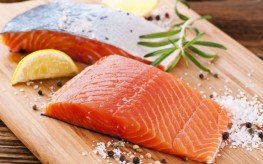 A recent study from the University of Guelph is said to be the first of its kind to provide “unequivocal” evidence that Omega-3 fatty acids can actually prevent cancer, specifically breast cancer. The study found that a lifelong diet rich in omega 3′s can actually inhibit breast cancer tumor growth by a whopping 30%.
Omega-3 Consumption Dramatically Reduces Breast Cancer Risk, Development
There have been several studies and reviews over the past few decades showcasing how a diet for breast cancer patients should include omega 3 fats. Accordingly, a swell in omega-3 supplements began popping up, and people began taking them without fully knowing if they would work or what they were preventing. As time has passed, however, research on the fats has evolved and we are beginning to see more clearly the power of these essential fatty acids and exactly what they are capable of.
The latest study, published in Journal of Nutritional Biochemistry, determined that a lifelong diet rich in omega-3 fats could prevent breast cancer. The study ruled out other potential preventative factors and isolated omega-3s as the source of a decreased breast cancer risk.
“It’s a significant finding,” said David Ma of the Guelph’s Department of Human Health and Nutritional Services. “We show that lifelong exposure to omega-3s has a beneficial role in disease prevention—in this case, breast cancer prevention. What’s important is that we have proven that omega-3s are the driving force and not something else.”
Making these sort of conclusions is not easy. And though many studies have linked omega-3s to disease prevention in the past, this is believed to be the first that can ‘state its findings with certainty’.
“To our knowledge, no such approach has been used previously to investigate the role of omega-3s and breast cancer,” said Ma.
The researchers created a transgenic mouse—one that produces omega 3 fatty acids and also develops aggressive breast tumors. They then compared the mice to those who developed breast tumors without omega-3 fats.
They found that those mice who produced the beneficial fats developed 30% fewer tumors and tumors that were also 30% smaller than the control mice.
“The difference can be solely attributed to the presence of omega-3s in the transgenic mice—that’s significant,” concluded Ma.
While this particular study cannot be adapted for humans, it does provide some evidence that having a steady supply of omega-3 fats could reduce breast cancer risk.
Omega-3 fats, like other nutrients, are best obtained through natural foods rather than supplements. Good sources of the fats include fatty fish like salmon and sardines as well as walnuts and flax seeds.
For other ways to prevent breast cancer, check out these 5 breast cancer prevention tips.
Additional Sources:
Source: naturalsociety.com
Friday, May 10, 2013
Compound in Broccoli Found to Suppress Tumor Growth, Halt Cancer in its Tracks
Compound in Broccoli Found to Suppress Tumor Growth, Halt Cancer in its Tracks
Looking at sulforaphane, a compound found in broccoli and other cruciferous vegetables, scientists found that it can work to not only suppress tumor growth, but also stop the spread or onset of cancer.
Source: naturalsociety.com
Looking at sulforaphane, a compound found in broccoli and other cruciferous vegetables, scientists found that it can work to not only suppress tumor growth, but also stop the spread or onset of cancer.
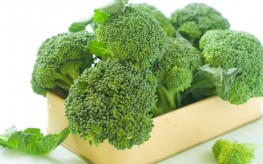 Too many followers of the Standard American Diet (SAD) believe that diet only affects things like weight, diabetes and heart disease. The connection between diet and things like cancer or Alzheimer’s still hasn’t sunk in. So, when new research shows just how deadly diseases like cancer can be prevented with simple foods like broccoli, we have to do our part to get the word out.
Sulforaphane Compound Found to Suppress Tumor Growth, Halt Cancer…Again
Although certainly not the first study to link cancer with cruciferous vegetables, researchers with the Linus Pauling Institute at Oregon State University have given us yet another reason to eat our veggies at every chance. According to their findings, a key component in broccoli, cabbage, and other crucifers has multiple benefits in the fight against cancer.
Their research was published in the journal Clinical Epigenetics, which features the latest science in how foods and environmental factors can change gene expression or activation, ultimately leading to disease or disease prevention.
Looking at the compound sulforaphane, the scientists found that it can work to not only suppress tumor growth, but also stop the spread or onset of cancer.
“Cancer is very complex and it’s usually not just one thing that has gone wrong,” lead author Emily Ho said, according to Science Daily. “It’s increasingly clear that sulforaphane is a real multi-tasker. The more we find out about it, the more benefits it appears to have.”
Sulforaphane is known as an HDAC inhibitor, meaning it works to restore balance in the enzymes known as histone deacetylases (HDACs). HDAC imbalance is known to interfere with the normal function of tumor suppressing genes. By inhibiting HDACs, sulforaphane helps prevent cancer development.
In addition, it works to influence something known as DNA methylation, which is the normal process of turning off or deactivating genes that could lead to abnormal cell growth. In the case of cancer, however, DNA methylation doesn’t always work as intended. As with HDAC, however, sulforaphane is able to restore balance and correct the DNA methylation processes.
“It appears that DNA methylation and HDAC inhibition, both of which can be influenced by sulforaphane, work in concert with each other to maintain proper cell function,” said Ho. “They sort of work as partners and talk to each other.”
Though this research is exciting alone, it is far from the first linking the super-powered sulforaphane with cancer prevention. A recent study from Baylor College of Medicine, for instance, found sulforaphane can actually kill the cells of acute lymphoblastic leukemia, a blood cancer common in children. Other studies have linked this compound with protecting against both prostate and breast cancer.
While sulforaphane is present in all cruciferous vegetables, it is perhaps most concentrated in broccoli. So, grow some or buy some at your local farmer’s market—but, definitely increase your consumption of the nutritious “little trees”.
Additional Sources:
Source: naturalsociety.com
What Are The Advantages of Face Cream?
Aging is definitely a big factor when it comes to skin appearance. As a person ages, the natural elasticity of the skin begins to decrease steadily, until fine lines and wrinkles begin to form on the surface of the skin. Some people begin to see wrinkles on their skin as early as their late thirties. Forget about products that promise results in one or two days. Those are definitely not worth your time. If you want real science to work on your skin, choose products like Levela. Great results will be seen week after week, until you see the peak results on the fourth week of use. Full article
Thursday, May 9, 2013
Study Finds Avocado-Eaters to be Especially Healthy
Study Finds Avocado-Eaters to be Especially Healthy
According to a recent study published in Nutrition Journal,eating avocados is associated with a lower body weight, lower BMI and waist circumference (a risk factor for heart disease and diabetes), higher “good” cholesterol, a lower intake of added sugars, better diet quality overall, and higher nutrient intake levels.
Source: naturalsociety.com
According to a recent study published in Nutrition Journal,eating avocados is associated with a lower body weight, lower BMI and waist circumference (a risk factor for heart disease and diabetes), higher “good” cholesterol, a lower intake of added sugars, better diet quality overall, and higher nutrient intake levels.
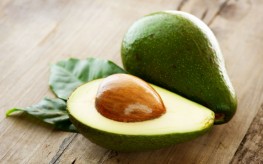 Many of us do not have to be “sold” on the benefits of avocados—their silky texture and versatile flavor make them hard not to love. But when studies show that avocado-eaters are healthier overall than their counterparts, we feel justified in our love-affair with the green fruit. And the research may even convince some non-avocado-eaters to cross over to the other side.
Avocado-Eaters Found to Have Better Health than Non-Eaters
According to a recent study published in Nutrition Journal, eating avocados is associated with a lower body weight, lower BMI and waist circumference (a risk factor for heart disease and diabetes), higher “good” cholesterol, a lower intake of added sugars, better diet quality overall, and higher nutrient intake levels.
In other words, while the avocado itself provides many direct benefits, it also helps indirectly too.
The scientists looked at of over 17,000 U.S. adults, 347 ate avocadoes on a daily basis. Of these, they had more positive health indicators than those who did not. The average avocado consumption was about one-half of a medium avocado for women and a little more for men.
The study found that:
- Avocado eaters had higher intakes of good fats and higher intakes of nutrients including fiber, vitamin E, magnesium, potassium, and vitamin K.
- Avocado eaters had “significantly lower” BMI than others and weighed an average of 7.5lbs less.
- The avocado-eaters also had smaller waist circumferences, on average 4 cm smaller, than the non-avocado eaters.
- Avocado eaters had 50% lower risk for metabolic syndrome, which increases the risks of heart disease, stroke, and type-2 diabetes.
Avocados are nutritional powerhouses, and this study suggests that people who eat them make healthier choices overall.
As if that isn’t enough, there are numerous other studies on the health benefits of avocados. These indicate the little fruits are good for fighting inflammation, regulating blood sugar, fighting the signs of aging, and even preventing cancer.
Their high antioxidant concentration makes them powerful healers and protectors against cellular damage by free radicals. One thing that makes the antioxidants in avocados unique is their ability to actually penetrate the mitochondria (the cellular engines, so to speak), where they can have the most impact.
You don’t even have to like guacamole to enjoy avocados. They go great in salads and wraps, while also being delicious on their own. The softer ones make a great substitute for unhealthy mayonnaise and can also be added to smoothies.
Additional Sources:
Source: naturalsociety.com
Wednesday, May 8, 2013
The Secret Benefits of Eating Organic Brown Seaweed
The Secret Benefits of Eating Organic Brown Seaweed
In many Asian countries, seaweed has been used as a flavorful addition to soups, broths, stir fries, and other dishes for centuries. In recent press, brown seaweed has been hailed as a super food, and there is good reason why - the food offers tons of benefits.
Source: naturalsociety.com
In many Asian countries, seaweed has been used as a flavorful addition to soups, broths, stir fries, and other dishes for centuries. In recent press, brown seaweed has been hailed as a super food, and there is good reason why - the food offers tons of benefits.
 In many Asian countries, seaweed has been used as a flavorful addition to soups, broths, stir fries, and other dishes for centuries. In recent press, brown seaweed has been hailed as a super food, and there is good reason why.
Seaweeds and sea vegetables, along with microscopic phytoplankton are like the ocean’s lungs. They account for a large amount of the oxygen in our environment as an important Co2 sink. They are also packed full of vitamin B-folate, which give the body lots of sustainable energy, magnesium, iron and calcium, as well as riboflavin and pantothenic acid. Additionally, seaweed is full of lingnans, a plant compund which is known to have cancer-fighting qualities. The benefits of sea vegetables truly are worthy of note.
Preventing Breast Cancer
Laminaria, a specific type of brown seaweed, also known as sea kelp, has been found to prevent breast cancer. It changes the gut flora and allows for regular digestion since the seaweed is composed of a large amount of insoluble fiber that must pass through the digestive tract. This type of seaweed also thins the blood and is wonderful for preventing cardiovascular disease.
Removing Heavy Metals from the Body
Sargassum multicum is another type of brown seaweed that is highly resistant to environmental pollutants. It is so resistant, that it has recently been spread to Ireland where it is taking over another, more rare type of seaweed. It was used in the Chernobyl incident as a medicinal brown seaweed to remove heavy metals and radioactive elements as well as free radicals, which can cause cancer and other diseases. This seaweed is also rich in minerals like iodine, so it is excellent for supporting thyroid health. It can also be used as a diurectic and to reduce swelling.
Promoting Weight Loss
Perhaps the biggest benefit for many people looking to lose weight, brown algae is full of a carotenoid (nutrient) that has a natural thermogenic effect, which means it supports the burning of fat in the metabolic process. The key ingredient is fucoxanthin, which supports weight loss when coupled with a smart exercise regime. It may take a few weeks for the compound to take effect, though.
Asian countries have been eating seaweed and sea vegetables much longer than the current cancer scare has been dominating the news, and the populations who eat more seaweed and less meat have fewer incidences of cancer. Perhaps it is time for you to eat your sea food, too.
Source: naturalsociety.com
Monday, May 6, 2013
Successfully Reverse Aging With Natural Hormone Replacement Therapy
Successfully Reverse Aging With Natural Hormone Replacement Therapy
Natural hormone replacement therapy is an idea who's time has come. It's the latest most up to date approach to fighting the aging process that science can offer. Also known as bioidentical hormone therapy, it offers the chance for aging men and women to live longer, healthier and more enjoyable lives.
Source: EzineArticles.com
Natural hormone replacement therapy is an idea who's time has come. It's the latest most up to date approach to fighting the aging process that science can offer. Also known as bioidentical hormone therapy, it offers the chance for aging men and women to live longer, healthier and more enjoyable lives.
Source: EzineArticles.com
Sunday, May 5, 2013
An Incredible Superfood: The Many Benefits of Coconut Oil
An Incredible Superfood: The Many Benefits of Coconut Oil
If you haven’t noticed lately, the western world is on a bit of a coconut oil kick. It’s in all the popular blogs—from nutrition to hair care—and it’s no longer difficult to find a few different varieties of the oil in normal grocery stores. This is a good thing. Coconut oil should have never been demonized, as it was, and deserves a top spot in the natural health world.
Source: naturalsociety.com
If you haven’t noticed lately, the western world is on a bit of a coconut oil kick. It’s in all the popular blogs—from nutrition to hair care—and it’s no longer difficult to find a few different varieties of the oil in normal grocery stores. This is a good thing. Coconut oil should have never been demonized, as it was, and deserves a top spot in the natural health world.
 If you haven’t noticed lately, the western world is on a bit of a coconut oil kick. It’s in all the popular blogs—from nutrition to hair care—and it’s no longer difficult to find a few different varieties of the oil in normal grocery stores. This is a good thing. Coconut oil should have never been demonized, as it was, and deserves a top spot in the natural health world.
Vilified Coconut Oil
Several decades ago, coconut oil was vilified. It was made to look like the “bad guy” in comparison with its competitors from the corn and soy industries. They were successful in their campaign to squash the coconut oil competition by highlighting it’s saturated fat content and tying that to heart disease. Now, however, coconut oil and its medium chain triglycerides (saturated fats) are back on top and being recognized for numerous health benefits.
The health benefits of coconut oil are amazing; the oil possesses antimicrobial, antifungal, anti-bacterial, and antioxidant properties. The lauric, capric and caprylic acids within the oil are credited with many of these benefits. It’s the lauric acid, for instance, that is converted into monolaurin which in in turn fights the bugs associated with herpes, giardia, listeria, influenza, and even HIV.
Coconut oil benefits truly are many, and it doesn’t take much. Just a tablespoon or so a day could make significant differences in your health. Coconut oil for Alzheimer’s and dementia has been proven especially beneficial.
Coconut Oil Benefits – Topical Applications
Topically, coconut oil can be used on the skin and hair. For your skin, it’s great for soothing dryness and even irritation from rashes. It is also good for fighting wrinkles and signs of aging. Common skin disorders like psoriasis and eczema can be taken care of, along with simple chores like removing eye makeup without the use of chemicals.
Used on your hair, coconut oil can increase shine and reduce static electricity. It can also be used as a scalp massage to eliminate flaking and itchy dry scalp.
Taken Internally
Most people use coconut internally. And it’s here we see the majority of its benefits. Potential internal benefits of coconut oil include:
- Anti-cancer
- Alzheimer’s treatment
- Dental health including cavity prevention and reversal
- Diabetes management
- Weight loss aid
- Improved digestion
- Increased immune function
- Heart disease prevention
- And more…
Best of all, coconut oil is easy to add to your daily regimen. Use it in sautéing vegetables, raw in smoothies and juices, and in your baking and cooking. It’s flavor goes well with sweeter dishes but can temper a spicy dish just as well.
Source: naturalsociety.com
Thursday, May 2, 2013
Goldilocks And Self-Esteem
Goldilocks And Self-Esteem
Goldilocks 'gave' us what has become known as The Goldilocks Principle-when everything is just-right. Most people, however, never consider things about themselves to be just-right. Boobs are usually too big or too small, picking noses (from reputable catalogues) has become acceptable, and so on. This article suggests learning to like oneself could be a far-less painful process. Go on, take a look. You're sure to find something that could save you lots of pain.
Source: EzineArticles.com
Goldilocks 'gave' us what has become known as The Goldilocks Principle-when everything is just-right. Most people, however, never consider things about themselves to be just-right. Boobs are usually too big or too small, picking noses (from reputable catalogues) has become acceptable, and so on. This article suggests learning to like oneself could be a far-less painful process. Go on, take a look. You're sure to find something that could save you lots of pain.
Source: EzineArticles.com
Zinc Boosts Body’s Immune Response, Fights Inflammation
Zinc Boosts Body’s Immune Response, Fights Inflammation
A recent study attempted to determine just how zinc can help fight infections, and its results offer some promising data supporting zinc as a non-Big-Pharma health booster. A research team from Ohio State University discovered that zinc “gently taps the breaks” on an immune response, helping to prevent damaging inflammation.
Source: naturalsociety.com
A recent study attempted to determine just how zinc can help fight infections, and its results offer some promising data supporting zinc as a non-Big-Pharma health booster. A research team from Ohio State University discovered that zinc “gently taps the breaks” on an immune response, helping to prevent damaging inflammation.
 An estimated 40% of elderly adults are zinc deficient, but the elderly aren’t the only ones at risk. Because zinc plays an important role in immune function and growth, it’s presence is important whether you are over the age of 60, under the age of 20, or anywhere in between. A recent study attempted to determine just how zinc can help fight infections, and its results offer some promising data supporting zinc as a non-Big-Pharma health booster.
A research team from Ohio State University discovered that zinc “gently taps the breaks” on an immune response, helping to prevent damaging inflammation.
The researchers determined zinc is lured into immune cells (monocytes) via a protein. It’s within the cells that the zinc essentially stops the immune system from “doing too much”, preventing excess inflammation.
“The immune system has to work under very strict balance, and this is a classic example of where more is not always better,” explained Daren Knoells, senior author and professor of pharmacy and internal medicine. “We want a robust inflammatory response, which is part of our natural programming to defend us against a bug. But if that is unchecked, and there is too much inflammation, then it not only attacks the pathogen but can also cause much more collateral damage.”
The zinc tells the immune system to exercise some restraint, in other words.
The research was specific to the infection known as sepsis, common particularly in intensive care units and often fatal in these environments. But the research can be applied to basic immune boosting as well, for instance supplementing with zinc at the onset of a cold.
But the researchers believe it’s important to start with enough zinc rather than attacking with zinc when the infection manifests. In other words, ensuring you have enough zinc in your diet in the first place can help an infection from taking root and can help shorten a cold or flu, for instance, if they do occur.
The researchers did stop short, however, from recommending zinc supplements to people with sepsis or at risk of getting the deadly infection.
Related Read: Improve Immune Function & Blood Sugar Regulation with Zinc
If you want to build up your zinc levels, you can do that easily without any supplements. Zinc is especially rich in foods like: oysters, roast beef, wheat germ, pumpkin seeds, dark chocolate, and peanuts.
Additional Sources:
Source: naturalsociety.com
Wednesday, May 1, 2013
Your Skin's Worst Enemies
Your Skin's Worst Enemies
Our skin is an external organ, and our first line of defense against our environment. Without proper care, it can take a beating when protecting us from harmful elements. Read on to learn about some of your skin's worst enemies-and follow these tips for avoiding them.
Source: EzineArticles.com
Our skin is an external organ, and our first line of defense against our environment. Without proper care, it can take a beating when protecting us from harmful elements. Read on to learn about some of your skin's worst enemies-and follow these tips for avoiding them.
Source: EzineArticles.com
Subscribe to:
Posts (Atom)